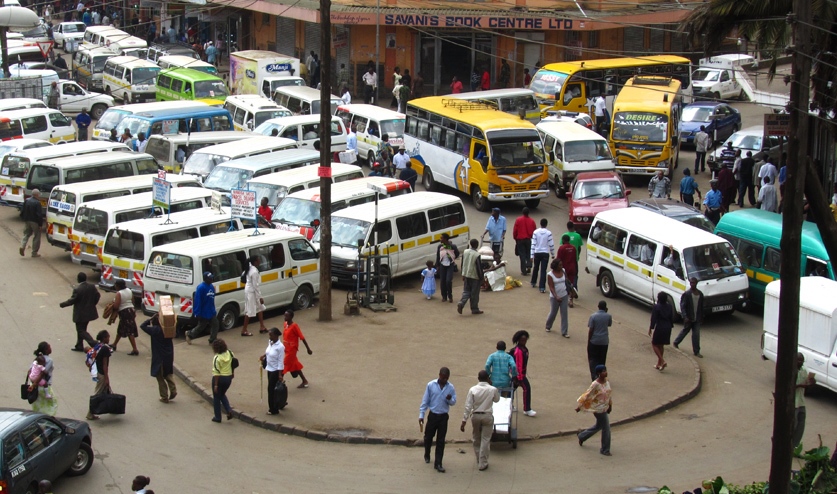
Nationwide Transport Strike Looms as Fuel Prices Surge
Motorists, boda boda riders, digital cab operators, long-distance commuters, and tourist vehicle operators have announced plans for a nationwide strike beginning Monday, May 18, amid mounting pressure on the government following the latest fuel price increase by the Energy and Petroleum Regulatory Authority (EPRA).
The planned industrial action comes as outrage continues to grow among transport stakeholders and commuters over the sharp rise in fuel prices, which has already led to increased transport fares and fears of a major disruption in public and private transport services across the country.
In a joint statement released on Saturday, May 16, by the Transport Alliance after a high-level stakeholders’ meeting in Nairobi, operators from various sectors said they had unanimously resolved to stage peaceful nationwide protests and suspend operations over what they described as “unjustified and excessive” fuel price hikes.
The strike is expected to involve members of the Motorists Association of Kenya (MAK), matatu owners and operators, cargo and freight transporters, commuter groups, private motorists, as well as other sectors heavily dependent on fuel.
Transport leaders warned that the continued rise in fuel costs is making business operations unsustainable and increasing the cost of living for millions of Kenyans who rely on public transport daily.
The announcement comes only days after EPRA announced a major review of fuel prices for the May–June 2026 cycle. Under the new pricing structure released on Thursday, May 14, the price of super petrol increased by Ksh16.65 per litre, while diesel recorded a massive jump of Ksh46.29 per litre.
As a result, super petrol is now retailing at a maximum of Ksh214.25 per litre, while diesel has risen sharply to Ksh242.92 per litre, with the revised prices taking effect from May 15 for the next 30 days.
The increase has sparked widespread concern among Kenyans, with many warning that higher fuel prices will translate into increased food prices, transport costs, and inflation across various sectors of the economy.
Stakeholders are now calling on the government to urgently intervene and review fuel taxation policies, warning that failure to address the crisis could paralyze transport operations and further strain the country’s economy.