Kuria Kimani Questions Election Costs as He Compares KSh23 Ballot Paper to KSh6.84 Banknote
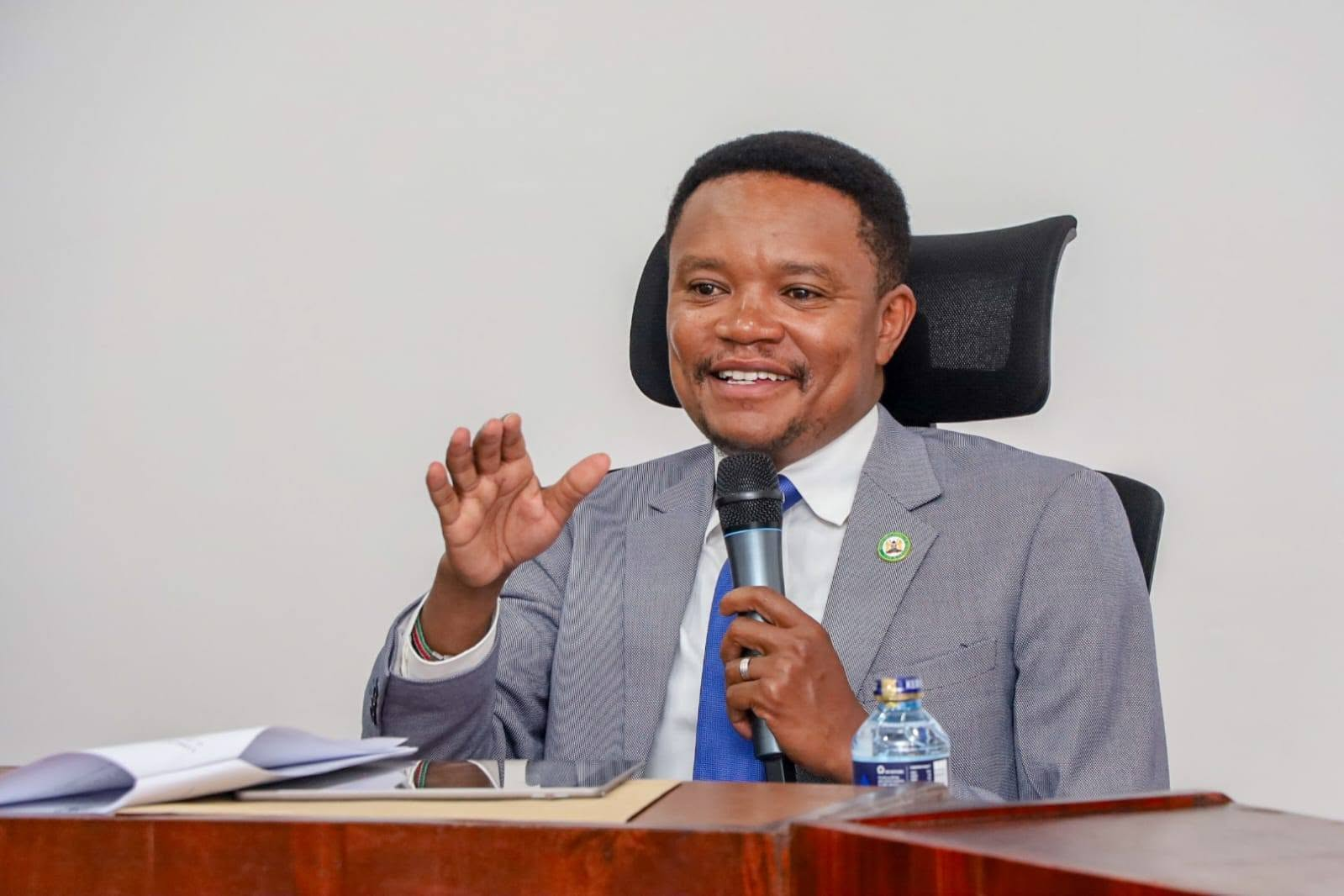
Molo MP and National Assembly Finance and National Planning Committee Chairman Kuria Kimani has questioned the cost of conducting elections in Kenya after revealing that a single ballot paper cost KSh23 to print during the 2022 General Election, compared to KSh6.84 for producing a banknote.
Kimani raised the issue as Parliament intensifies scrutiny of the Independent Electoral and Boundaries Commission’s (IEBC) expenditure and preparations for the 2027 General Election.
In remarks shared on his social media platforms, the legislator argued that the significant difference in printing costs raises questions about the value taxpayers receive from election-related spending.
The KSh23 figure is consistent with information previously provided by IEBC Chief Executive Officer Marjan Hussein Marjan in July 2022. At the time, the commission said the cost of printing one ballot paper was approximately KSh23, inclusive of VAT, as part of a contract worth about KSh3.2 billion.
Kimani also referred to the KSh6.84 cost of printing a Kenyan banknote, arguing that currency notes carry sophisticated security features yet reportedly cost less to produce than ballot papers.
During parliamentary proceedings on October 1, 2026, Kimani questioned why printing an A4-sized ballot paper could cost substantially more than producing currency or personalised payment cards.
He argued that security requirements alone should not be used to justify the high cost of election materials, calling for greater scrutiny of procurement and expenditure.
The comparison has reignited debate over the cost of organising elections in Kenya, particularly as the country prepares for the 2027 polls.
In a report published on November 24, 2026, Citizen Digital reported that the Finance Committee had questioned IEBC over the financial burden of conducting elections and demanded explanations for the high cost of electoral materials. Citizen Digital+1
Kenya’s 2022 General Election had an approved budget of approximately KSh46.9 billion, although the actual expenditure was about KSh36.43 billion, according to the Treasury’s post-election economic and fiscal report. newsite.
Kimani and other lawmakers are now calling for greater transparency, competitive procurement and better value for public money as the country prepares for another expensive electoral exercise.